ELI5: What Is Roller Derby?

What is Roller Derby

(Explain like I’m 5)

Roller derby might look wild, fast, and confusing the first time you see it – but underneath the helmets, the colors, and the cheering crowds is a sport that’s actually pretty simple, super fun, and full of personality.

If you’ve ever wondered “What is Roller Derby, and why do people love it so much?”, this guide breaks it down in the easiest, friendliest way possible.


Imagine a Race… But on Roller Skates… With a Fun Twist

Let’s pretend you’re at recess. You and your friends put on roller skates. You want to race around the playground—but instead of everyone sprinting at the same time, only one person from each team is allowed to score points.

That special player is called the Jammer.

The rest of the team? They’re called Blockers, and their job is to:

  • Help their Jammer get through the other team
  • Stop the other team’s Jammer from getting through

It’s like a giant, rolling, friendly game of “You Shall Not Pass.”

That’s roller derby!


The Super Simple Rules (Really!)

Here’s how each round—called a jam—works:

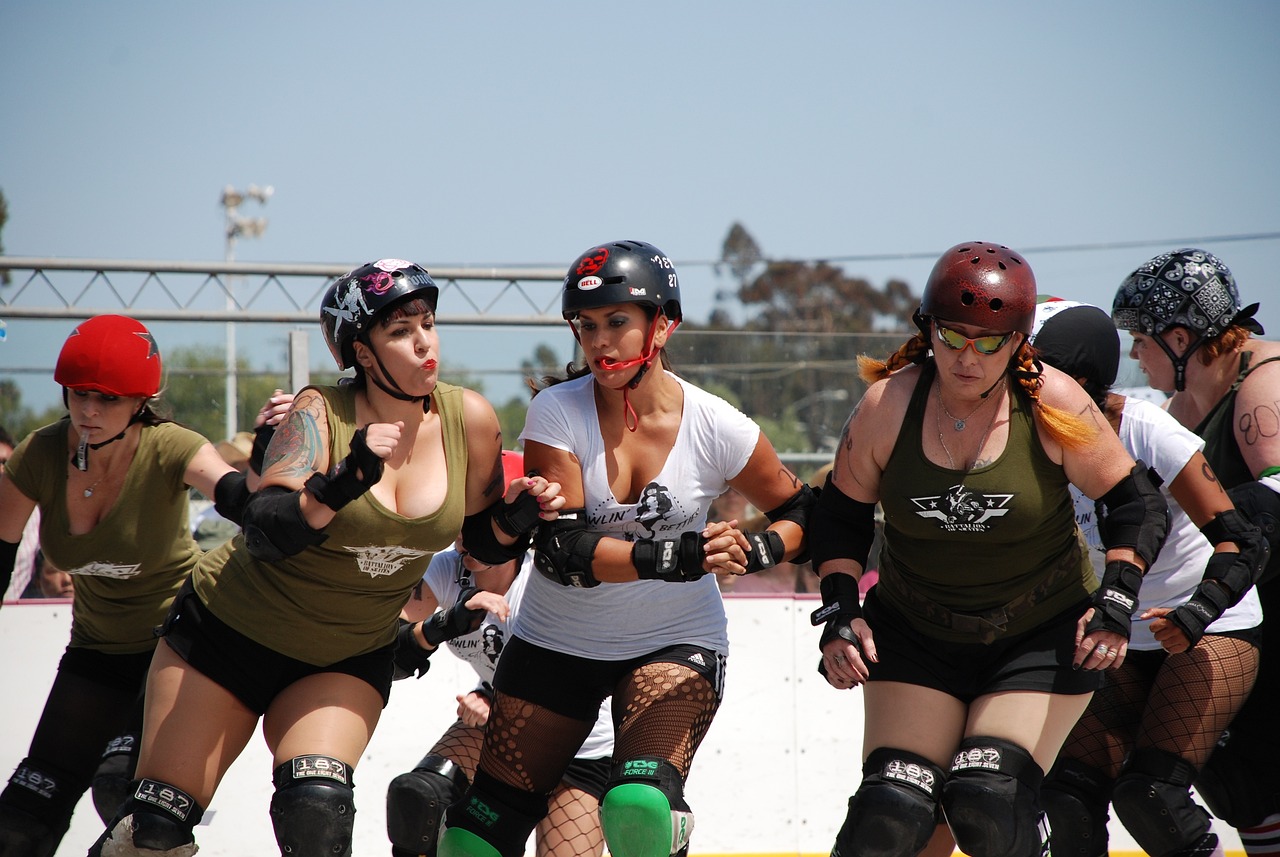
  • Each team has 5 skaters on the track
    • 1 Jammer (the point-scorer)
    • 4 Blockers (the defense + offense crew)
  • Jammers score one point for every opposing skater they pass
  • A jam lasts up to 2 minutes
  • Skaters zoom around an oval track, which looks a bit like a running track but much smaller

Think of it like Mario Kart—but with helmets, knee pads, and a lot more teamwork.


Why People Love It: The Fun, The Energy, The Community

Roller derby isn’t just a sport. It’s a vibe.

1. Big Personalities

Derby skaters often choose fun “derby names,” like:

  • Smashley
  • Whip Crackle Pop
  • Block Ness Monster

These names are part tradition, part performance, and part celebration of individuality.

2. Loud, Joyful, Inclusive Crowds

Roller derby is known for being:

  • Welcoming
  • LGBTQ2S+ friendly
  • Body-positive
  • Community-driven

The stands are full of families, teens, older fans, and first-timers who get hooked fast.

3. A Sport Anyone Can Try

Skaters range from teenagers to people in their 40s, 50s, and beyond.
You don’t need to be athletic already.
You learn as you go.


A Tiny History Lesson (Easy Version!)

Roller derby is almost 100 years old—really!

Today, modern roller derby is fast, strategic, and all about teamwork—and most leagues are run completely by volunteers.


How Popular Is Roller Derby Today?

Roller derby isn’t NHL or NBA big—but it’s one of the largest grassroots sports in the world.

Some quick stats:

  • Over 450+ active leagues worldwide (as of 2025)
  • Canada has more than 50 community leagues, from Vancouver to Halifax
  • Major tournaments draw thousands of fans
  • Roller derby social media has millions of views, especially short-form highlight clips
  • Junior derby (kids + teens) is one of the fastest-growing parts of the sport

The sport keeps expanding because it’s fun, accessible, and incredibly unique.


Why People Are Suddenly Talking About Roller Derby Again

Over the last few years, roller derby has had a burst of new attention because:

1. Social Media Highlights

Clips of big hits, huge laps, or dramatic jams go viral weekly.

2. Post-pandemic comeback

Many leagues rebuilt stronger than ever, with new skaters joining at record levels.

3. DIY culture attracts new fans

Roller derby is run by the players, for the players.
People love the authenticity.

4. Growing representation

More stories celebrating women’s sports, queer athletes, and inclusive athletics are shining a spotlight on derby.


What a First-Time Fan Should Know

Trying to watch a game for the first time?

Here’s your ELI5 cheat sheet:

  • The Jammer = the one with a star on their helmet
  • Points = every opposing skater they pass
  • The Pack = the big group of blockers
  • Hits are real, but controlled and legal
  • The whistles matter—they start and stop the action
  • Every second is exciting
  • The crowds are awesome

Most fans say that after one game, they “get it” and never look back.


Who Roller Derby is Perfect For

Roller derby is amazing for:

  • Kids who want something cooler than soccer
  • Adults who want exercise and community
  • People who love fast-paced sports
  • Anyone who likes a sport with personality
  • Fans who enjoy supporting local teams
  • Folks who are bored of mainstream athletics

If you love energy, noise, action, and big personalities—derby is your sport.


Thinking About Going to Your First Game? Here’s What to Expect

  • Affordable tickets
  • Loud cheering
  • Fun merch (buttons, stickers, shirts)
  • A halftime full of music
  • Skaters high-fiving fans afterward
  • A fast-paced game that’s easy to follow with a quick explanation

You don’t need to know the strategy to enjoy it—you just show up and cheer.


Final Takeaway: Roller Derby Is Fast, Fun, and Totally Unlike Any Other Sport

If you remember nothing else, remember this:

Roller derby is a game where one skater scores points by lapping people, while everyone else tries to help or stop them—on roller skates.

And it’s one of the most joyful, inclusive communities in sports.

Whether you want to watch, volunteer, or someday join a “fresh meat” (beginner) program, derby has a place for you.
What Skates Do I Buy? — The Complete Guide to Choosing Roller Skates (for Roller Derby & Beyond)

what skates do i buy

Whether you’re signing your derby name on RollerDerbyRoster.com or just lacing up for the first time, picking the right skates matters. A good pair will make you faster, safer, and more comfortable; the wrong pair will slow your progress (and may even cause injury). This guide walks you through everything — styles, fit, parts, price ranges, maintenance, and buying tips — so you can confidently answer the question: What skates do I buy?


Quick snapshot: the short answer

  • If you’re new to roller derby: buy a low- to mid-range derby skate from a reputable brand (Riedell, Sure-Grip, Bont, Moxi) with an aluminum plate, indoor wheels (78A–92A), and a supportive boot. Expect to pay US$250–$600 for a good starter setup.
  • If you skate outdoors/recreationally mostly: choose a comfortable outdoor/traditional quad with softer, larger wheels (78A–85A) and a cushioned boot.
  • If you want to race or upgrade: consider heat-moldable boots, high-grade aluminum or carbon plates, performance bearings, and stiffer boots — budget US$700+.

1) Know the types: which skate style matches your goals?

Roller derby quads (competition)

  • Low-cut or mid-cut leather or synthetic boots.
  • Flat or slightly rockered wheel setup for agility and quick crossovers.
  • Stiffer boots for fast lateral movement and support during hits.
  • Plates: usually aluminum (stiff, precise) or composite for cost savings.

Recreational/fitness quads

  • Higher-cut, cushioned boots for comfort.
  • Softer, larger wheels (for shock absorption outdoors).
  • Nylon or composite plates to keep costs down.

Artistic / Jam / Social skates

  • Fashion-forward (Moxi, Impala) and comfortable for long sessions.
  • Often used for social skating and practice rather than derby.

Speed / inline alternatives

  • Inline speed skates are a different discipline — not for derby. If your goal is track racing or distance speed, look elsewhere.

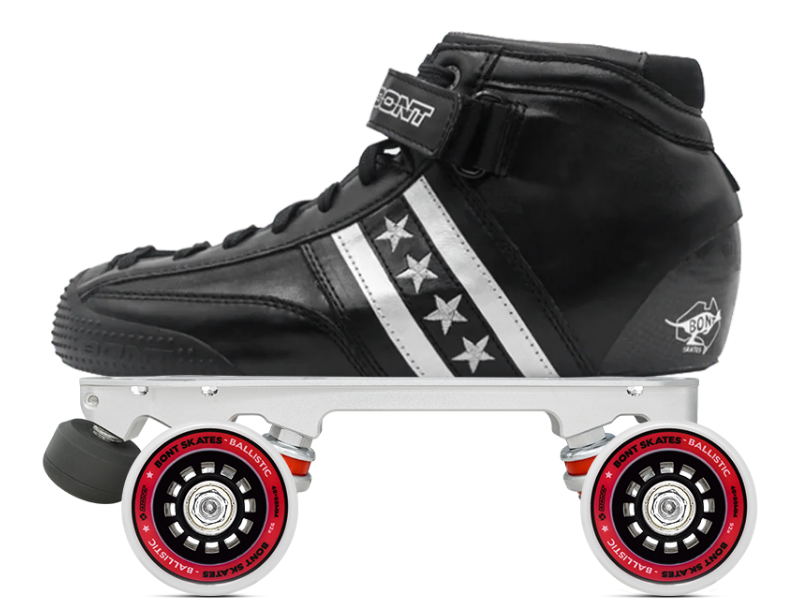
2) Anatomy of a skate — what each part does (and what to look for)

  • Boot — the “shoe.” Choose based on fit, stiffness, and material.
    • Leather / high-quality synthetic: durable, molds to your foot over time.
    • Synthetic: lighter, lower break-in but may lack long-term support.
    • Heat-moldable boots: allow custom shaping for comfort and performance.
  • Plate — metal or composite base attaching trucks/wheels to the boot.
    • Aluminum: stiffer, more responsive — standard for derby.
    • Nylon/composite: cheaper but flex more; good for beginners.
    • Carbon fiber: lightweight and very stiff (high-end).
  • Trucks / Kingpin / Pivot — control turning responsiveness.
    • Look for replaceable kingpins and quality bushings/cushions.
  • Wheels — size (mm) and hardness (durometer, A scale) matter.
    • Indoor (roller derby): 93A–101A (firmer for grip on sport courts), but many derby skaters use 88A–95A depending on surface.
    • Outdoor: 78A–85A, larger diameter (62–72mm) for rolling over cracks.
  • Bearings — allow wheels to spin; ABEC rating is only part of the story.
    • ABEC 3–7 are common; maintenance is more important than rating.
  • Toe stop — braking and quick stop tool. Replaceable; choose material and shape by preference.
  • Laces / insole / tongue — comfort and fit finishing touches.

3) Fit & sizing — the most critical factor

Bad fit = blisters, poor control, injury. Don’t guess.

  • Measure foot length + width with socks you’ll skate in. Try in the afternoon when feet are slightly swollen.
  • Heel stability is crucial for derby. Your heel should not lift excessively on crossovers.
  • Toe room: toes should just brush the end with no crushing. About a thumbs-width of room is often recommended, but follow brand charts.
  • Foot volume: some boots are narrow; wide-footed skaters may need specific models or heat-molding.
  • Try before you buy (if possible): sit, lunge, simulate skating motion. Online? Buy from sellers with good return policies.
  • Heat-moldable boots (Bont, some Riedell models) allow superb customization for difficult fits.

4) Boots: cut, stiffness & material explained

  • Low-cut boots give ankle freedom and mobility — many elite derby skaters prefer them.
  • High-cut boots provide more ankle support; great for beginners who want extra stability.
  • Stiff boots translate power into the floor for faster skates and better blocking; more break-in required.
  • Soft, cushioned boots are comfortable for long recreational sessions but reduce razor-sharp responsiveness.

5) Plates: aluminum vs nylon vs carbon — pick by use

  • Aluminum plates: durable, predictable, best for derby and athletic use.
  • Nylon/composite: cheaper and lighter but flex more — fine for casual rollerskating.
  • Carbon: premium, used by racers and top-tier derby skaters who want weight savings and extreme responsiveness.

Also consider mounting system — 7-bolt, 8-bolt, recessed mounting — and whether plates are upgradable (you may want to upgrade later).


6) Wheels & durometer: indoor vs outdoor

  • Durometer (hardness): higher number = harder wheel.
    • Indoor sport surfaces: firmer wheels (90A–101A) for grip and speed on polished floors.
    • Outdoor: softer wheels (78A–85A) to absorb cracks and rough terrain.
  • Diameter: larger wheels roll faster and smooth bumps; smaller wheels give acceleration and agility.
    • Derby: often 57–62 mm for a balance of acceleration and top speed.
    • Outdoor: 62–72 mm+ for comfort on streets.

Tip: wheel brand matters (Labeda, Radar, Riedell, Sure-Grip). Get wheels suitable for YOUR surface.


7) Bearings: maintenance beats marketing

  • ABEC rating (3, 5, 7, 9) is a mechanical tolerance scale — not a definitive speed indicator for skate bearings.
  • Ceramic vs steel: ceramic bearings may last longer and handle heat better but cost more.
  • Maintenance: clean and lube regularly — this gives better performance than upgrading to an expensive ABEC-9.
  • Sealed vs open: sealed bearings keep out dirt; open ones are easier to service.

8) Price ranges — what to expect to pay

  • Beginner / recreational: US$100–$250 (often fashion or impulse purchases; may lack durability).
  • Entry-level derby: US$250–$600 (good boots, aluminum plate, decent wheels).
  • Mid-range / committed derby skater: US$600–$1,200 (heat-moldable boots, aluminum plates, high-quality wheels/bearings).
  • High-end / pro / speed: US$1,200+ (carbon plates, custom boots, top-tier wheels and bearings).

Rule of thumb: invest in the best boot + plate you can afford — wheels and bearings are simple upgrades later.


9) Brands & models to consider

(These are examples — technology and models change fast.)

  • Riedell — long-time derby favourite; great boots and plate combos.
  • Bont — heat-moldable boots, high-performance plates; popular for racing & custom fit.
  • Sure-Grip — broad range; entry to mid-level models commonly used by new derby teams.
  • Antik — quality aluminum plates popular in derby circles for stability.
  • Moxi / Impala — stylish, lifestyle skates ideal for social skating, smaller derby use.
  • Labeda / Radar / Rink Rat — wheel manufacturers with wide durometer and compound options.

10) Buying used? Smart checks

A well-cared-for used pair can be a bargain. Check:

  • Cracks or stress fractures in the plates or boots.
  • Wheel wear evenness — uneven wear suggests poor alignment or worn bearings.
  • Threaded fasteners condition, kingpin integrity.
  • Insole and liner condition — interior repair can be costly.
  • Bearing function — spin the wheels; they should spin freely without grinding.

If plates are aluminum, check for corrosion near bolt holes and hairline cracks around mounting points.


11) Derby-specific setup recommendations

Beginner derby setup (first season)

  • Boot: supportive leather or synthetic mid-cut.
  • Plate: aluminum (stiff).
  • Wheels: indoor 88A–95A, 57–62 mm.
  • Bearings: sealed ABEC 5–7; maintain them.
  • Toe stop: medium-sized, replaceable.
  • Budget: US$300–$600.

Jammer / speed-leaning setup

  • Stiff low-cut boots, responsive plate geometry, slightly harder wheels (to top out), and quality bearings.

Pivot / blocker setup

  • Consider slightly softer wheels for stopping power and grip during hits.

Tip: many skaters use the same boot but change plates/wheels for different days.


12) Break-in, fit tweaks & care

  • Break-in: leather boots may take weeks/months. Use hot water or heat-molding where applicable to speed fitting (follow manufacturer instructions).
  • Lacing technique: proper cross-lacing and ankle support reduce heel lift.
  • Socks & insoles: high-quality skate socks and orthotic insoles improve comfort and control.
  • Maintenance: keep bearings clean, check bolts weekly, rotate wheels to even wear, and store skates dry.

13) Safety & accessories you should buy with skates

  • Helmet (ASTM/CE certified) — mandatory in derby practice and strongly recommended for casual skating.
  • Mouthguard — protects teeth and jaw.
  • Wrist guards, elbow & knee pads — essential for beginners and derby skaters.
  • Skate tool & spare hardware — for on-the-spot adjustments.
  • Carrying bag — protects skates between sessions.

14) What else matters?

  • Local rink / surface: know the floor you’ll skate on. Sport courts differ from polished hardwood, and concrete or asphalt outdoors will demand different wheels.
  • Team / league rules: some leagues require specific toe stop setup or wheel sizes. Check before buying.
  • Resale & upgrade path: buy a model with upgradeable plates and replaceable parts — it extends the life of your investment.
  • Style & identity: if your derby name and look matter (they do!), choose colors and boots you’ll be proud to wear on the roster and at bouts.

15) Real-life examples & an anecdote

When new skater “Trixie Torque” joined her league, she bought cheap fashion skates (US$120). After one season her ankles ached and her speed lagged. She upgraded to mid-range Riedell boots, an aluminum plate, and derby wheels — and within weeks her confidence and control soared. The moral: cheap can cost more in the long run.


16) Decision checklist — before you hit “buy”

  • What discipline will I mostly skate? (derby, outdoor, recreational)
  • Do I have wide/narrow feet, high arch, or specific fit issues?
  • Can I try before I buy? (local shop, demo days)
  • Is the plate upgradeable later?
  • Does the skates’ price include plate, wheels, and bearings — or are they sold separately?
  • What’s the return/warranty policy?

FAQ (short)

Q: Are inline skates better than quads for derby?
A: No. Roller derby is traditionally quad-based. Inline skates are for other sports.

Q: Are ABEC ratings important?
A: Somewhat, but maintenance and bearing condition matter more than the number.

Q: Should I buy custom skates?
A: Only if you’re committed long-term or have difficult-to-fit feet. For most skaters, off-the-shelf heat-moldable options are sufficient.


Where to buy (quick list)

  • Local skate shop / pro shop — best for fit and service.
  • League orders / group buys — often get discount and support local team needs.
  • Reputable online retailers — good selection; check return policy. Amazon has some
  • Used gear marketplaces — acceptable if you inspect carefully.

Invest in your skates, not just your name

Your roller derby name will get you noticed on RollerDerbyRoster.com — but your skates will keep you on the track. Start with a thoughtfully chosen pair that fits well, supports your goals, and is made of quality parts. Upgrade wheels and bearings as you learn your style. And remember: fit and comfort come first — everything else can be tweaked.

7 Steps – Prepare for Roller Derby Season

Prepare for Roller Derby

Whether you’re a seasoned veteran or a newbie to the sport, preparing for the upcoming season is crucial for success on the track. Here are some tips to help you prepare for roller derby season.

1. Start with a solid training plan

The first step in preparing for roller derby season is to have a well-structured training plan. This should include a mix of strength training, cardio, and agility exercises. It’s essential to focus on building endurance, as roller derby is a physically demanding sport that requires a lot of stamina. Make sure to also incorporate specific roller derby drills into your training to improve your skills and technique.

2. Get your gear in order

Having the right gear is crucial for safety and performance in roller derby. Make sure to check all your equipment, including your skates, pads, and helmet, for any wear and tear. Replace any damaged or worn-out gear to avoid injuries during the season. It’s also a good idea to have a backup set of gear in case of emergencies.

3. Work on your balance and stability

Balance and stability are essential for success in roller derby. As you’ll be skating and maneuvering at high speeds, having good balance and stability will help you stay on your feet and avoid falls. Incorporate exercises like single-leg squats, lunges, and balance board training into your workout routine to improve your balance and stability.

4. Focus on your nutrition

Proper nutrition is crucial for any athlete, and roller derby players are no exception. Make sure to fuel your body with the right nutrients to support your training and performance. Focus on eating a balanced diet with plenty of lean protein, complex carbohydrates, and healthy fats. Stay hydrated by drinking plenty of water throughout the day, especially during training sessions.

5. Don’t neglect your mental game

Roller derby is not just a physically demanding sport; it also requires mental toughness. As you prepare for the season, make sure to work on your mental game as well. Visualize yourself performing well on the track, and practice positive self-talk to boost your confidence. Remember to also take breaks and rest when needed to avoid burnout.

6. Attend team practices and scrimmages

One of the best ways to prepare for the roller derby season is to attend team practices and scrimmages. This will not only help you improve your skills and technique but also allow you to bond with your teammates and develop team chemistry. Make sure to communicate with your team and coaches to identify areas where you can improve and work on them together.

7. Take care of your body

Lastly, it’s crucial to take care of your body during the roller derby season. Make sure to warm up and cool down properly before and after training sessions. Stretching and foam rolling can also help prevent injuries and improve recovery. Listen to your body and don’t push yourself too hard, as this can lead to burnout or injuries.

Preparing for roller derby season requires a combination of physical and mental preparation. With these tips in mind, you’ll be ready to hit the track and dominate the competition. Let us know if you want more information about this topic. Remember to stay focused, work hard, and have fun! Good luck!

The State of Roller Derby After COVID-19

The COVID-19 pandemic has had a profound impact on the sports world, including roller derby. With lockdowns, social distancing, and restrictions on large gatherings, roller derby leagues around the world have had to adapt to a new reality. In this blog post, we’ll take a look at the state of roller derby after COVID-19 and how the sport has changed.

Roller Derby During Lockdown

During the early days of the pandemic, roller derby leagues were forced to shut down in-person practices and events. This led to a surge in virtual roller derby events, such as online scrimmages and virtual roller derby tournaments. These events allowed skaters to stay connected and engaged with the sport while adhering to social distancing guidelines.

Roller derby leagues around the world had to quickly adapt to the new reality of the pandemic. They had to find ways to keep their members engaged and motivated while also ensuring their safety. The virtual roller derby events provided a platform for skaters to continue practicing and competing, while also fostering a sense of community despite the physical distance.

The Return of In-Person Roller Derby

As lockdowns eased and restrictions on gatherings were lifted, many roller derby leagues were able to return to in-person practices and events. However, safety protocols such as mask-wearing, hand-washing, and temperature checks had to be implemented to ensure the safety of skaters, officials, and spectators. Many leagues also had to limit the number of people allowed in the venue and enforce social distancing guidelines.

The return of in-person roller derby events was a welcome change for many skaters who missed the physicality and camaraderie of the sport. However, many leagues had to make significant adjustments to their operations to ensure everyone’s safety. The enforcement of safety protocols was critical in making the return of in-person events possible.

The Future of Roller Derby

While roller derby has faced significant challenges during the pandemic, the sport has proven to be resilient. Virtual events have allowed skaters from around the world to connect and compete, while the return of in-person events has brought a sense of normalcy back to the roller derby community.

As the world continues to navigate the pandemic, it’s unclear what the future holds for roller derby. The ongoing uncertainty surrounding the pandemic, coupled with the potential for future outbreaks or lockdowns, means that roller derby leagues will need to remain adaptable and flexible.

However, one thing is certain – the sport will continue to adapt and evolve to meet the challenges ahead. The roller derby community has shown incredible resilience and creativity in the face of adversity, and there is no doubt that they will continue to find ways to keep the sport alive and thriving.

Conclusion

In conclusion, the COVID-19 pandemic has had a significant impact on roller derby. From virtual events to safety protocols for in-person events, the sport has undergone significant changes. However, the roller derby community has proven to be resilient and adaptable, and the future of the sport looks bright.

As we continue to navigate the pandemic, it’s important to support our local roller derby leagues and skaters, and to continue to promote the growth and development of the sport. Roller derby is a unique and exciting sport that brings people together from all walks of life. By working together and supporting each other, we can ensure that roller derby continues to thrive long after the pandemic is over.